In Conversation With Daniel Eatock
Daniel Eatock is a London-based artist, known for his inventive, idea-driven approach that blurs the lines between art and design. Born in Bolton, he went on to train at Ravensbourne and the Royal College of Art. Daniel’s work spans graphic design, sculpture and participatory projects. His practice is rooted in humour, chance and an embrace of contradiction.
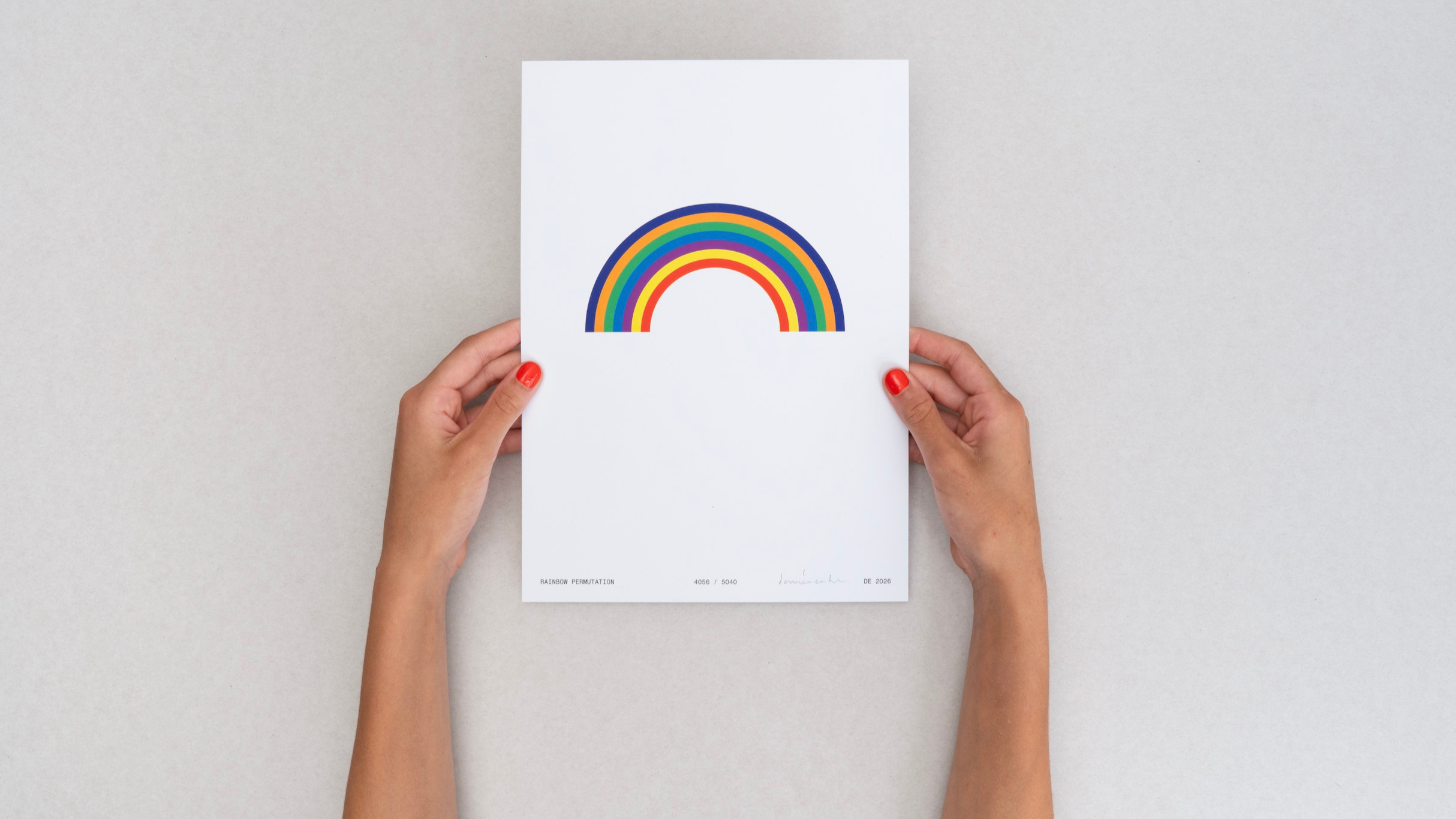
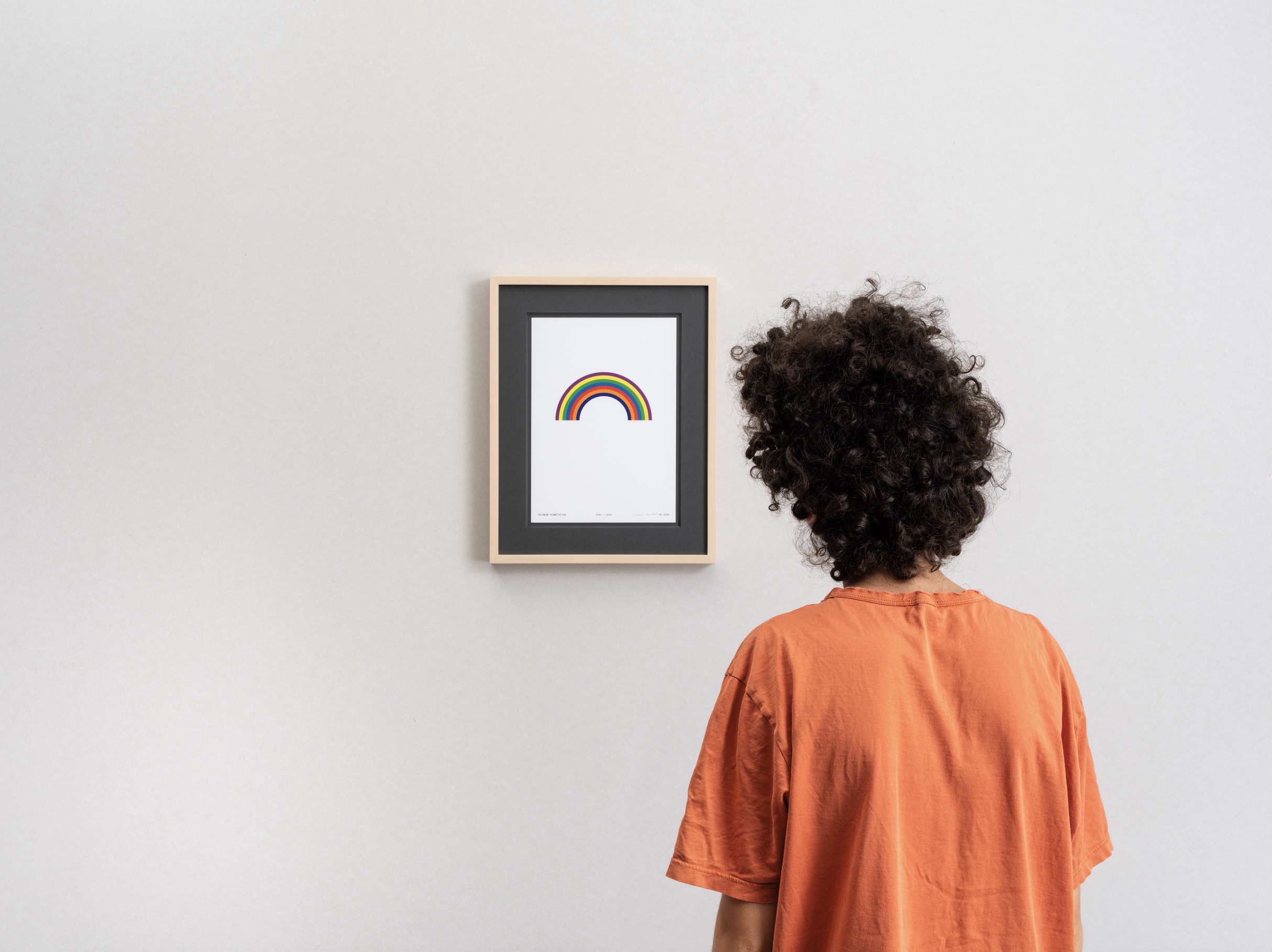
Daniel’s latest show ‘Rainbow Permutations’, recently on view at Art Practice Gallery, takes the rainbow’s familiar seven concentric bands and rearranges them to answer a singular question; how many ways can a rainbow’s colour sequence be arranged?
We caught up with Daniel to learn more about his early creative influences, his practice and the intention behind this latest exhibition.
Do you remember your first artwork and if so, what was it?
Yes, very clearly and it fits so well with this exhibition. I went on holiday when I was 16 with a friend to the South of France. We were sitting on the beach, both drawing what we could see, umbrellas, ice creams, people etc. His drawings were insanely good. He managed to capture perfectly what was in front of us. Mine were good but nowhere near as good. So I realised no matter how hard I would try or the amount of practice I would do, he had an ability that I didn’t. So, I started to wonder; what can I do? Where is my talent? I sat there a bit frustrated for the whole day.
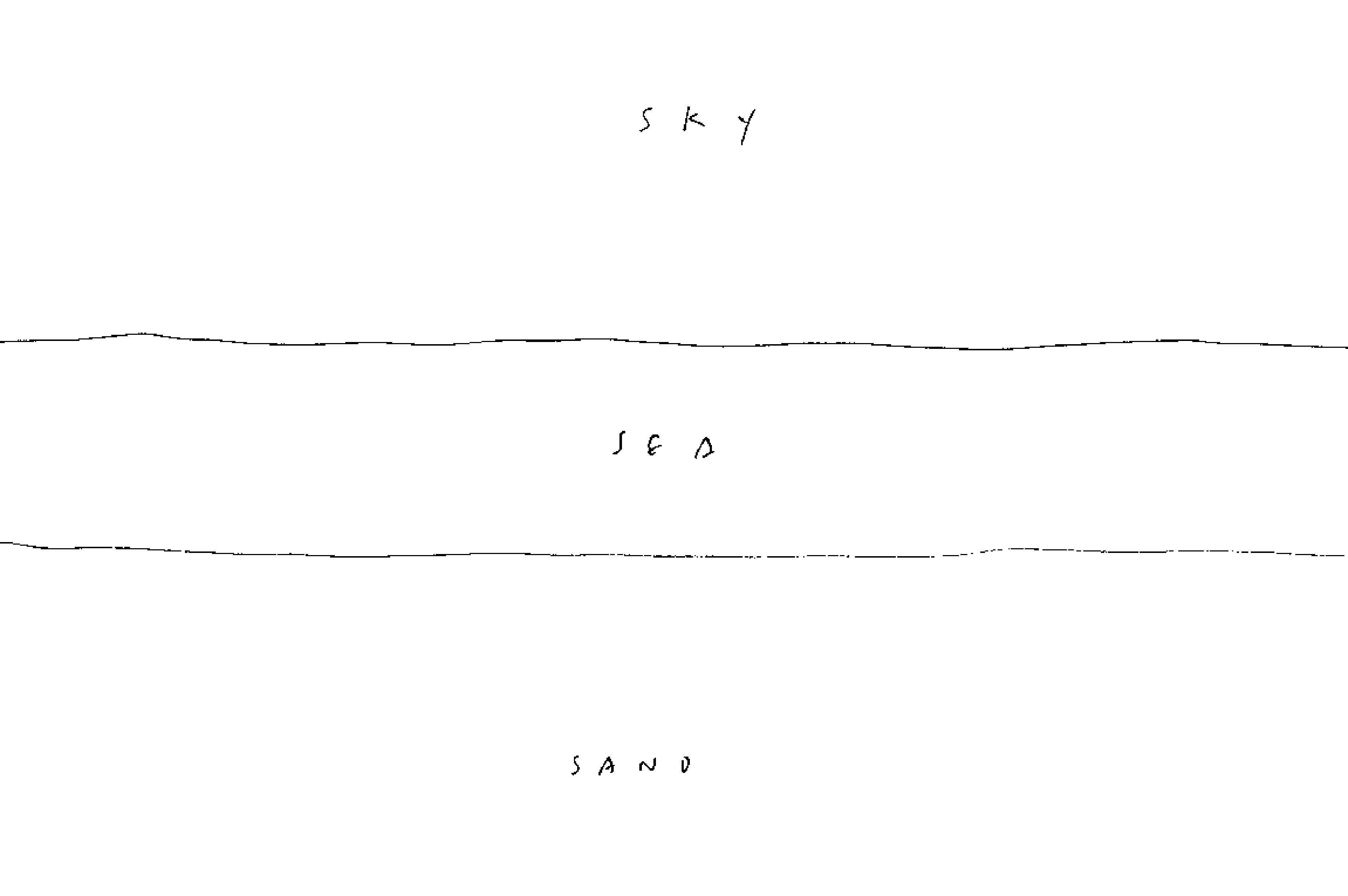
Then, at the end of the day, I made my first ever artwork. I turned the page. I drew two horizontal lines across the page, dividing it into three equal thirds. And then, in the middle of the page, dead center, I wrote “sea”, and, in the bottom third, I wrote “sand” and in the top third I wrote “sky”. Like a diagram. It felt like a breakthrough moment because whoever looks at that is seeing something different. You put your own sky in, you put your sea in, and the sand, and then you've got your own picture. And I just noticed; that's what my work is. My work is conceptual. I can capture it with an idea and the idea is more powerful because it's more truthful, because everybody will have their own interpretation.
When did you decide you wanted to be an artist?
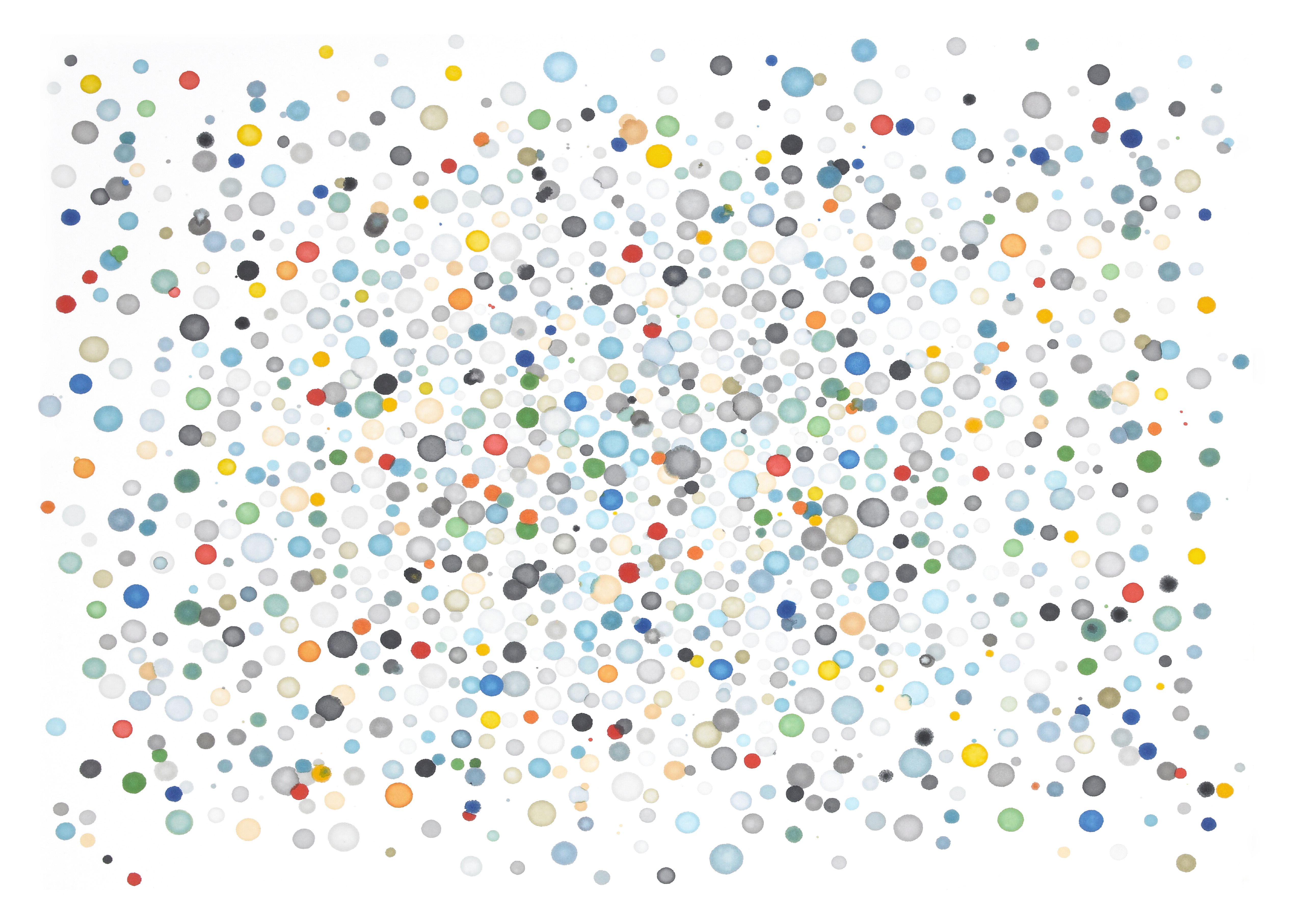
Both my mum and dad were designers. My dad had his own design studio. My mum worked with him as a typographer. So as a kid I grew up always wanting to be a graphic designer. During summer holidays, I would go to work with my dad. This was the time before computers so my dad would have layout pads and magic markers. They would have a grant enlarger, like a light box where he could trace his designs. A lot of his work was very illustrative. He did a lot of characters for Kellogg’s, Tony Tiger, Snap Crackle and Pop and Coco Monkey. That was a real heyday for that type of stuff. I knew I wanted to do something like that. I also could see how good my dad was at drawing. I remember when my dad would make these marker visuals to take to a client. He would spend a long time carefully creating the finished artwork, the sheet below would have all these beautiful blotches from the pens. I was fascinated by the shapes from the blotches and I remember thinking; those are brilliant but they were usually just thrown away.
Growing up with two designers, was it difficult to discover your own style?
I saw creativity as a business because my dad was in commercial graphic design. He had a portfolio case and dressed up smartly to go to the office and do drawings. So my idea of creativity was quite formal. I knew I was creative and that I enjoyed drawing. But when I realised I wasn't that good at drawing and I had to search for a new way of doing it, to find my own voice.
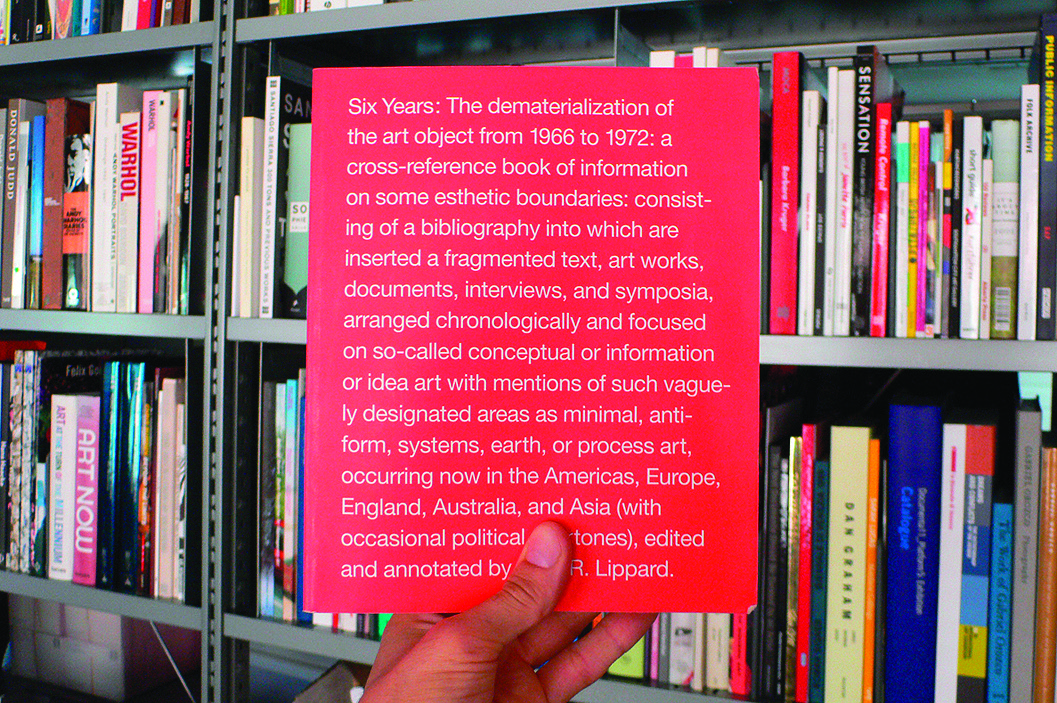
That's when I went to college. I left high school and I did two years studying Graphic Design and during those two years I was really just copying the things that existed already. I was reading Emigre and Eye magazine that was showing very contemporary experimental graphics and I was just copying it. Then I started at Ravensbourne and I found a book that changed everything. It was called ‘Six Years: The Dematerialization of the Art Object from 1966 to 1972’. It was a book of art concepts and ideas, that determined the form the art was materialised.
It made me look at every design exercise that I did from that perspective going forward. I tried to resolve the brief in the most conceptual way possible and allow the visual results to be informed by the idea. From this point on I tried to break every single rule that's ever existed and that ever will exist. Things like gravity don't exist, money doesn't exist. This type of thinking really sets me free.
Who / what inspires you?
I think the people that have been successful in the past are the people that have had incredible determination. They're usually outliers of some kind. I’ve always admired Ayrton Senna, for example. I think if you ask anybody that's in sports or that understands the craft of driving, then he's the person most people would refer to. He has a prophet-like quality and unwavering belief. Even in spite of the limitations he faced from a mechanical stand point, he always continued to pursue greatness. It’s like he didn’t have a choice.
I think it’s similar in art, you have to have so much belief for your art to exist. It's ridiculous really, but without this confidence in the idea, it evaporates, rapidly. When I create something, I feel as if I put myself into the most naked, vulnerable position. I welcome everything. I feel like I can get goosebumps when the temperature changes. I can hear sounds. I can sense the sun's been cut by an airplane. I can manifest, believe it into existence.
You believe ideas can be more powerful than aesthetics, tell us a little bit more about your thinking around this?
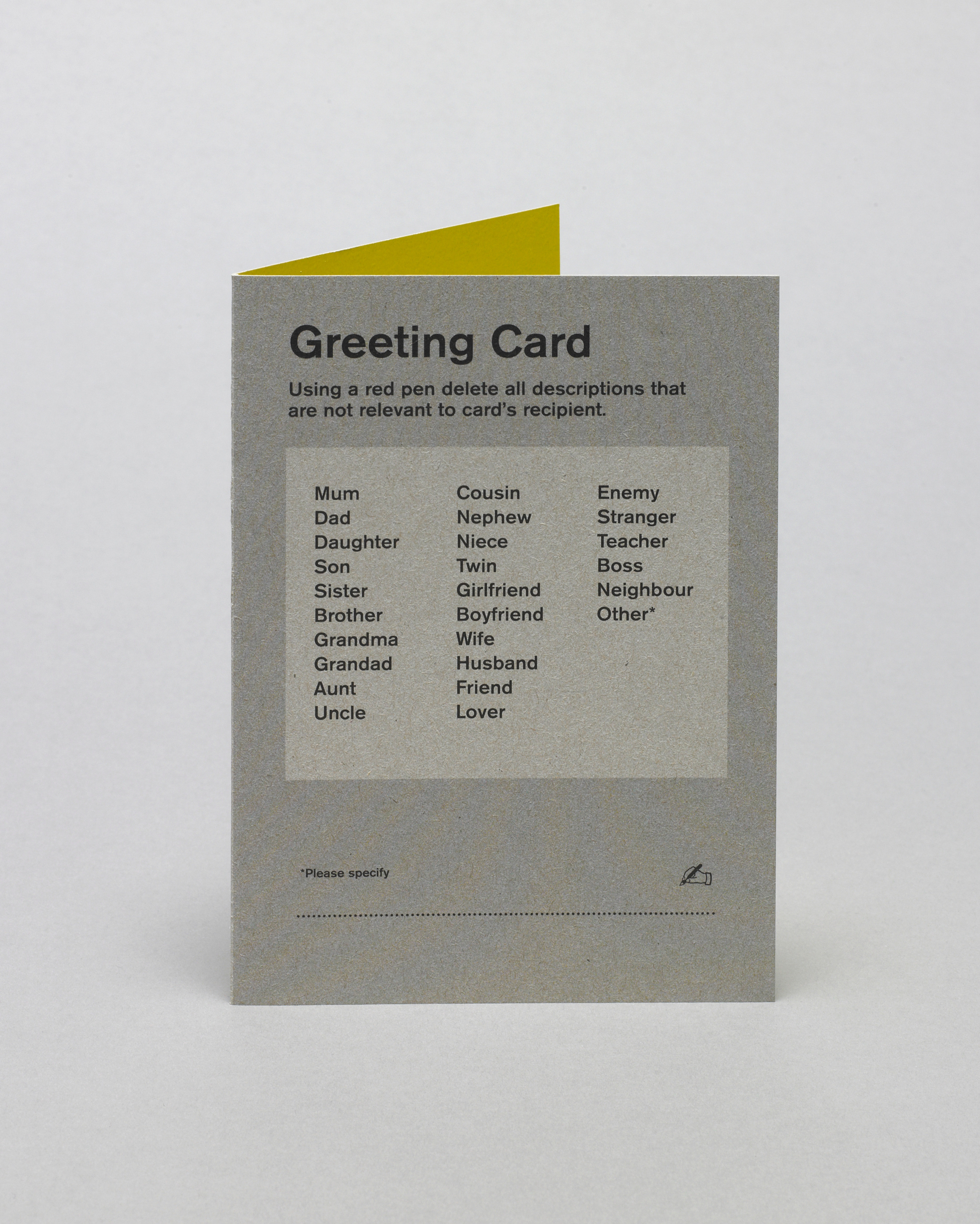
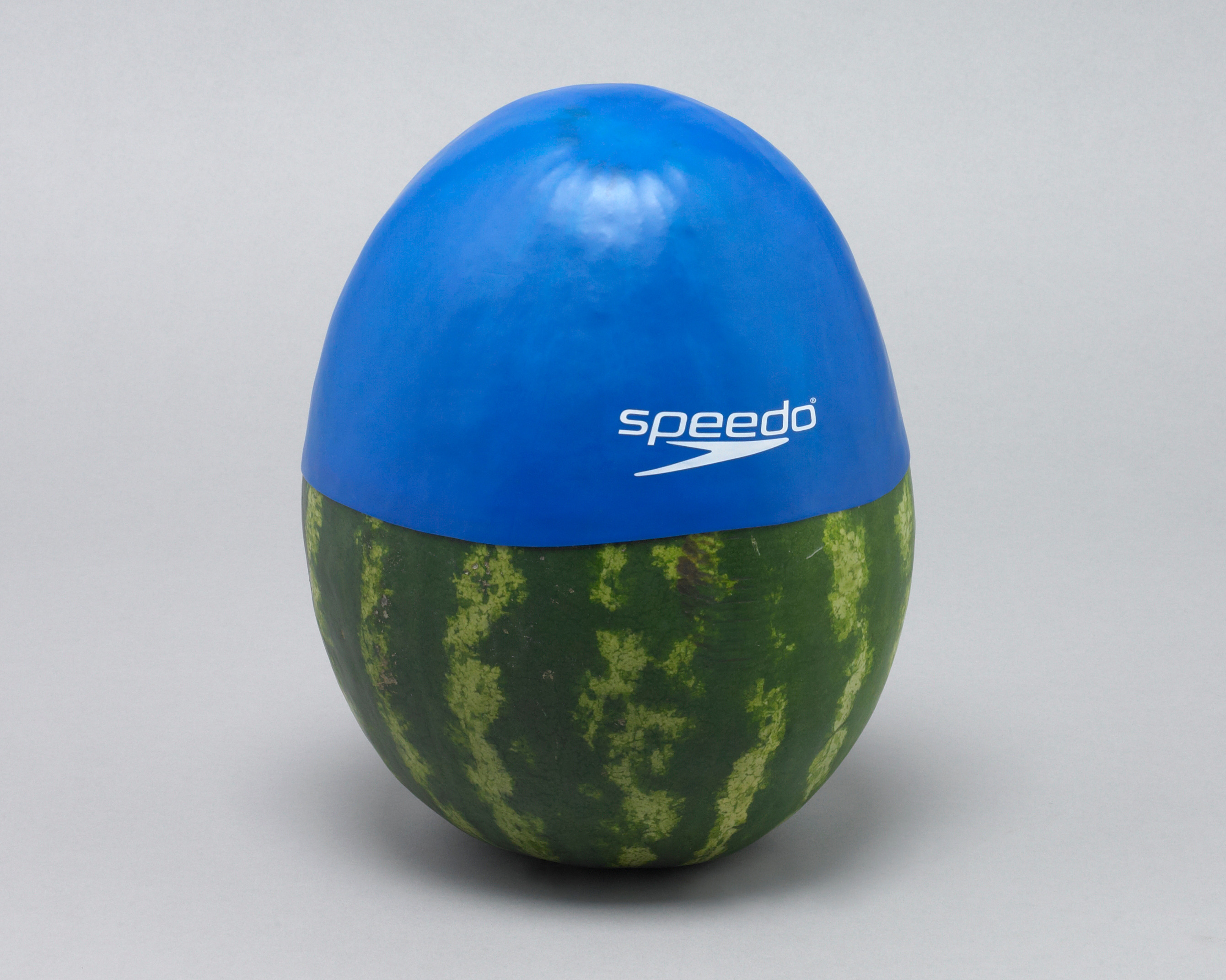
In a way, an idea is indisputable. It's a thought and it doesn't need a material to be good. You can just read it. It’s like mathematics. The answer to one plus one is two but you could write it pink or red. It’s still always two. If you then find the best thing about an idea, which is often disguised, there'll be something that suggests how it should be materialised. And if the two things can fit together, then it's perfect work. I've never seen a painting or watched a film that I have truly enjoyed because I feel it is fake or staged. I just see that there's a bunch of people pretending and I find them lacking in authenticity. It's an illusion. It's not real. Whereas an idea bypasses the human somehow.
For your most recent exhibition, you explored over 5000 permutations of the rainbow, what attracted you to this line of exploration?
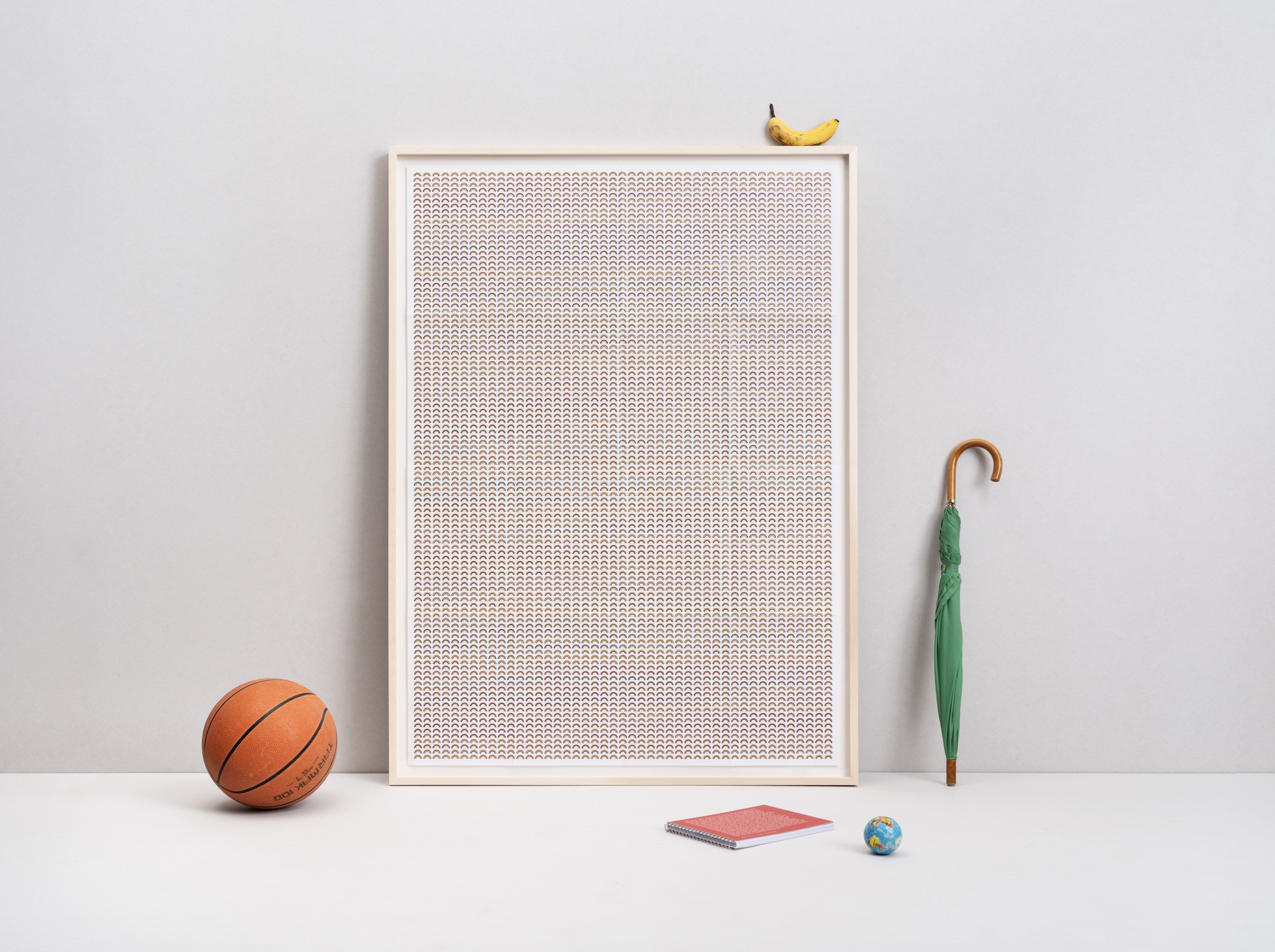
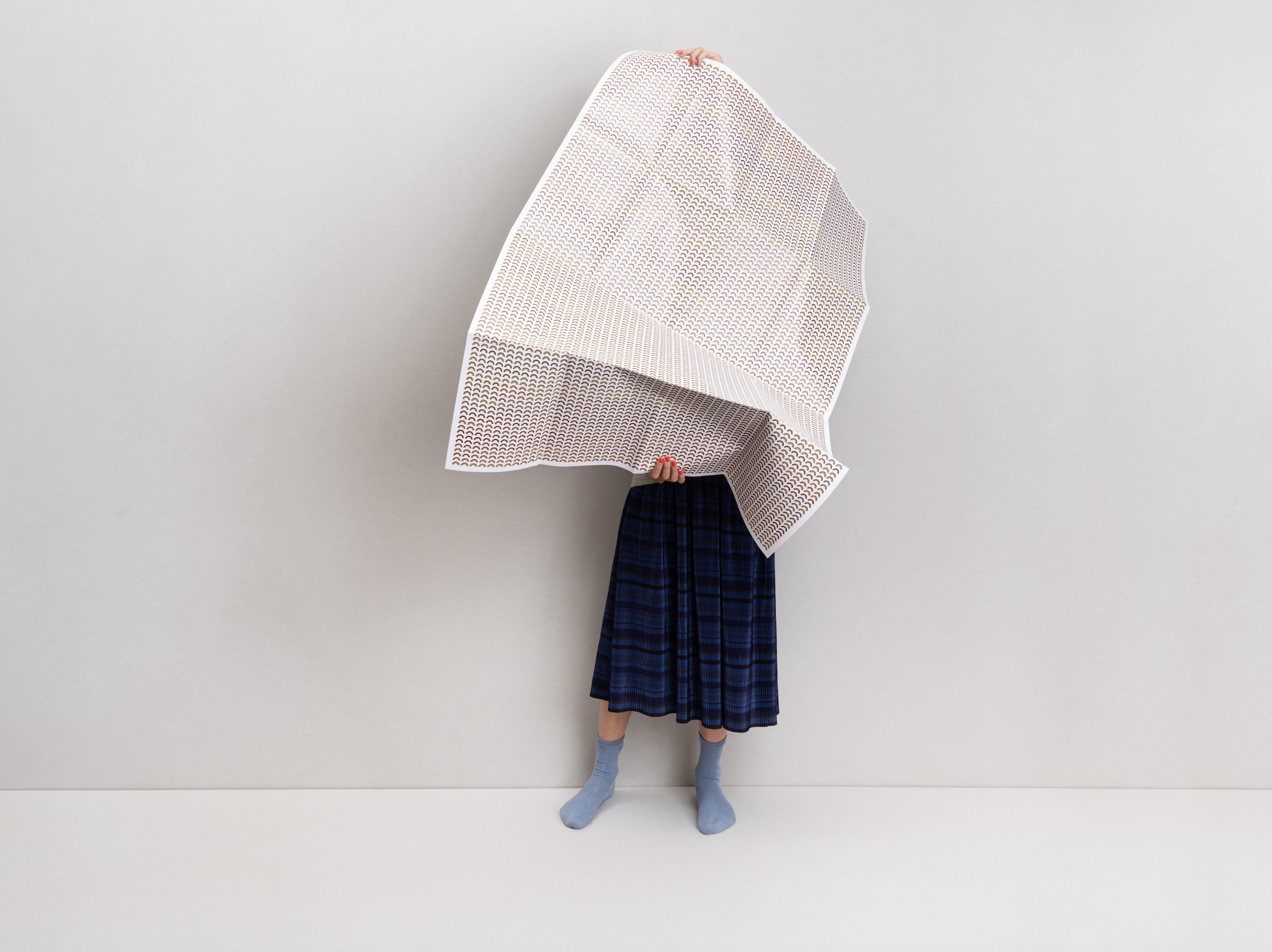
Because it's complete. The question that I had for myself was; given the rainbow has seven colours and the colours are the same every time; how many variations could I make? I don't have a mathematical brain, so I guessed around 30, 35. I wanted to find out for sure. So I drew them in illustrator. I started to play and then quite quickly realised I tied myself in a knot, getting lost. I paused and realised I needed to use factorial maths to work it out. There are 5,040 possible permutations. I could have stopped there but I didn’t think that was the best form for this work to exist. I needed to make them but I couldn't make them by hand myself as I knew there's a big chance I would make a mistake. So I just sat with that idea until an opportunity came to build it. I met Océane Seudre, an evolutionary and computational biologist and she loved the idea. I drew the rainbow, to the exact proportions I wanted and she generated all of the permutations. She was the conduit that allowed me to make that work and we had a beautiful relationship. And, now, people all over the world who have bought an individual print have a little piece of that relationship, which is really special.
Does the rainbow have a deeper symbolic meaning to you?
I think it's one of those symbols that's universal and it's not attributed to a person. It’s a natural occurring phenomenon. It's been told in stories on cave walls throughout time. It's been used as a symbol to connect people and, ultimately, it represents peace and unity. It's full of possibilities. I can't think of a logo that's ever been designed that is better. Having a graphic design education, it’s the ultimate symbol.
What do you hope people will take away from this latest show?
The exhibition, website and artwork are all connected. Anyone can access the work through the website but my ultimate goal is for all 5,039 rainbows (excluding the original) to find a home so the permutations live on forever. I think if you display something like this in your office or home it communicates a set of values. It's joyful. That's my ultimate goal; to bring positivity to all the places the rainbows live.